

Is Spotify a European Platform?
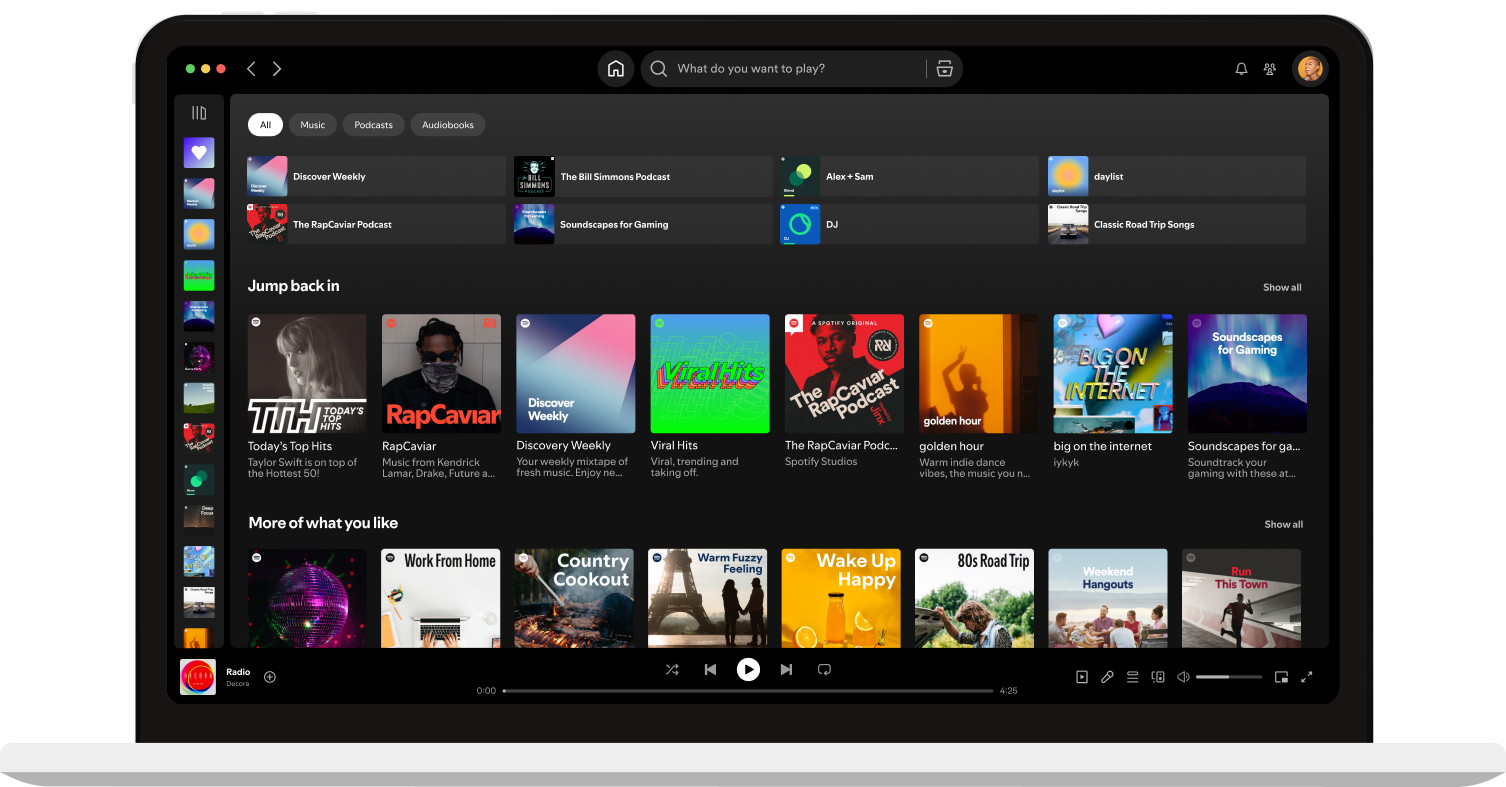
Many people are surprised to learn that Spotify actually originated in Europe — specifically in Sweden. So yes, it is a European streaming service. That said, being European doesn’t automatically mean it’s privacy-friendly. Like most large streaming platforms, Spotify collects a significant amount of data about your listening habits, preferences, and behavior — used for everything from personalized recommendations to targeted advertising.
If you’re looking to stream music while keeping a closer eye on your privacy, there are several solid European alternatives worth considering. All of them operate under strict GDPR regulations and offer a more transparent approach to user data.
Spotify: Great Service, but Data-Heavy
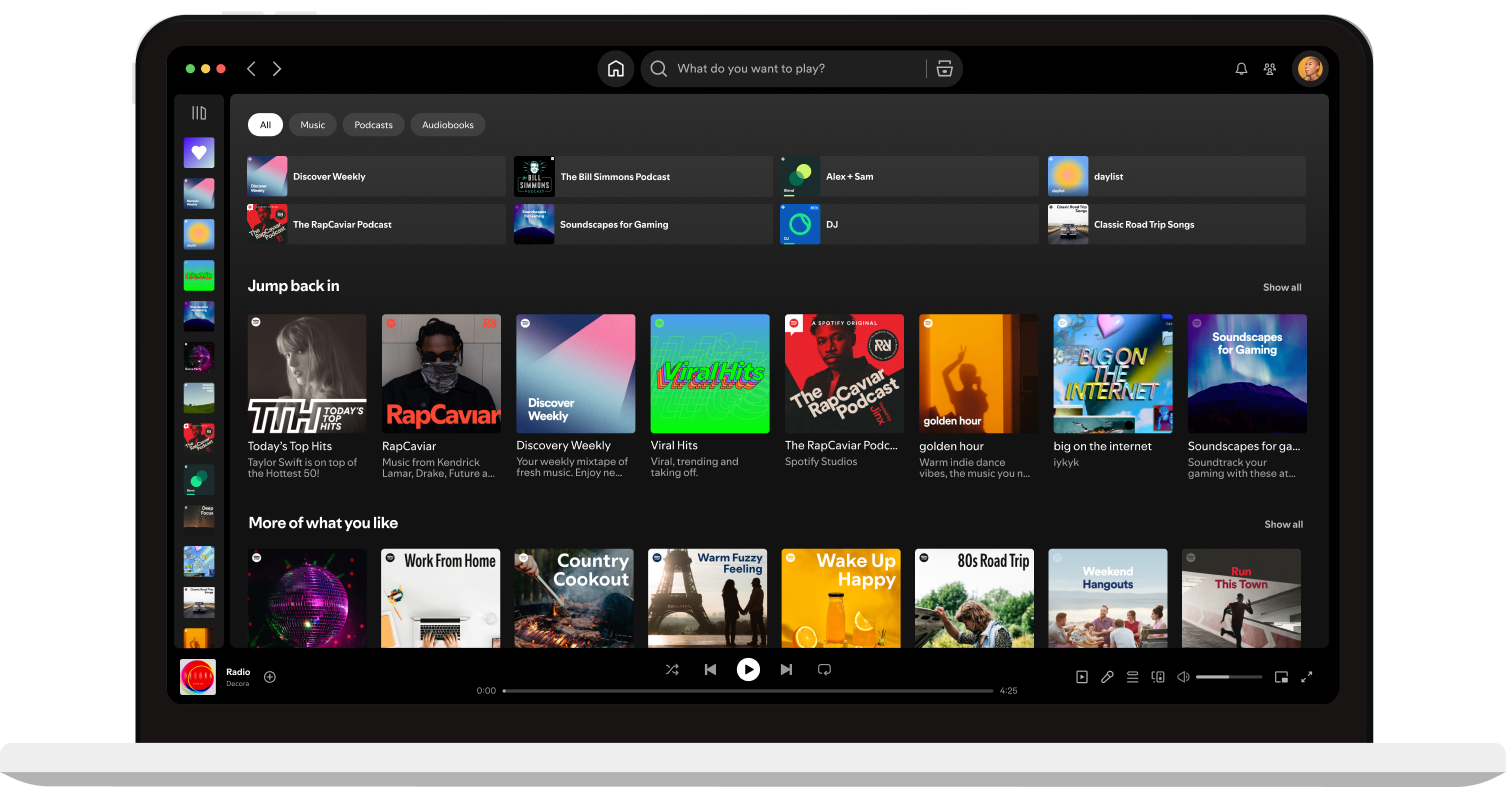
Spotify is a Swedish music streaming platform offering access to millions of songs, podcasts, and curated playlists. It comes in both a free, ad-supported tier and a paid Premium subscription. While its European roots mean it falls under GDPR rules, Spotify still gathers extensive user data to power its recommendation engine and advertising systems. For casual listeners, this may not be a concern — but for privacy-conscious users, it’s worth knowing what’s being collected.
Privacy-Friendly European Streaming Alternatives
Deezer (France)

Deezer is a French music streaming service with an extensive library and smart personalized recommendations. What sets it apart from a privacy standpoint is that it stores user data within Europe and gives users options to limit tracking. It’s a well-rounded alternative for those who want a familiar streaming experience without sacrificing too much control over their data. Visit deezer.com to learn more.
Qobuz (France)

If audio quality is your priority, Qobuz is hard to beat. This French streaming platform specializes in high-resolution audio, making it a favorite among audiophiles. Beyond sound quality, Qobuz takes a respectful approach to privacy — storing data within Europe and avoiding aggressive ad targeting. It’s a niche service, but an excellent one for listeners who care about both fidelity and privacy. Check it out at qobuz.com.
SoundCloud (Germany)
Founded in Berlin in 2007, SoundCloud is one of Germany’s most well-known contributions to the streaming world. The platform has always had a strong identity around independent and emerging artists, making it a go-to for discovering music you won’t find on mainstream platforms. SoundCloud complies fully with GDPR and provides users with meaningful control over their privacy settings, including options around analytics and advertising. Both free and paid plans are available. Explore it at soundcloud.com.
Jamendo (Luxembourg)

Jamendo operates out of Luxembourg and takes a distinctly different approach to music streaming. Its catalog is built around independent artists and Creative Commons-licensed music, offering both streaming and downloads with minimal tracking. It’s an ideal platform for users who want a lightweight, privacy-respecting experience and enjoy discovering lesser-known music. Visit jamendo.com for more details.
Why Consider a European Streaming Service?
Choosing a European streaming platform comes with several practical advantages, especially if privacy matters to you:
- GDPR compliance: All data is stored and processed within Europe under strict privacy regulations.
- Less tracking: European platforms tend to offer more privacy-friendly defaults and fewer aggressive data collection practices.
- Support for independent artists: Platforms like SoundCloud and Jamendo actively champion independent creators and European content.
- Greater transparency: You’re more likely to know how your personal data is being used and have real options to limit it.
Final Thoughts
Spotify is a perfectly good music streaming service, and the fact that it comes from Sweden means it’s already subject to European data protection standards. But if you want a streaming experience with stronger privacy guarantees and less data collection, European alternatives like Deezer, Qobuz, SoundCloud, and Jamendo are all worth exploring. Each brings something unique to the table — whether that’s superior audio quality, a thriving indie music community, or simply a cleaner, more transparent data policy.