

Why Europe Is Building Real Alternatives to Big Tech
Concerns about data privacy, digital sovereignty, and over-reliance on American technology giants like Microsoft and Google have been growing steadily across Europe — among individuals, businesses, and governments alike. The good news? European alternatives have matured considerably, and in many cases, they’re not just acceptable substitutes but genuinely compelling choices in their own right. Here’s a comprehensive look at what’s available.
Replacing Microsoft 365 with European Tools
Microsoft 365 bundles familiar productivity apps — Word, Excel, PowerPoint — with cloud storage through OneDrive. European alternatives approach this same problem from a privacy-first, often open-source angle.
Proton Docs & Drive (Switzerland)
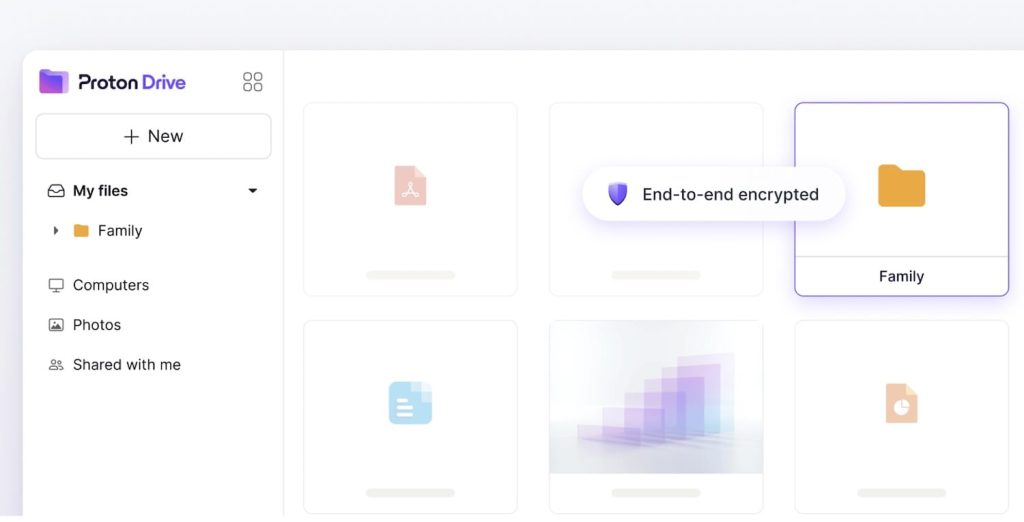
Switzerland-based Proton offers a full document and spreadsheet editing experience through Proton Docs and Sheets, with end-to-end encryption baked in from the ground up. Whether you’re an individual who values privacy or a business that can’t afford data leaks, this is one of the most compelling Microsoft 365 alternatives out there. Visit Proton to explore their full suite.
Collabora Online (United Kingdom)
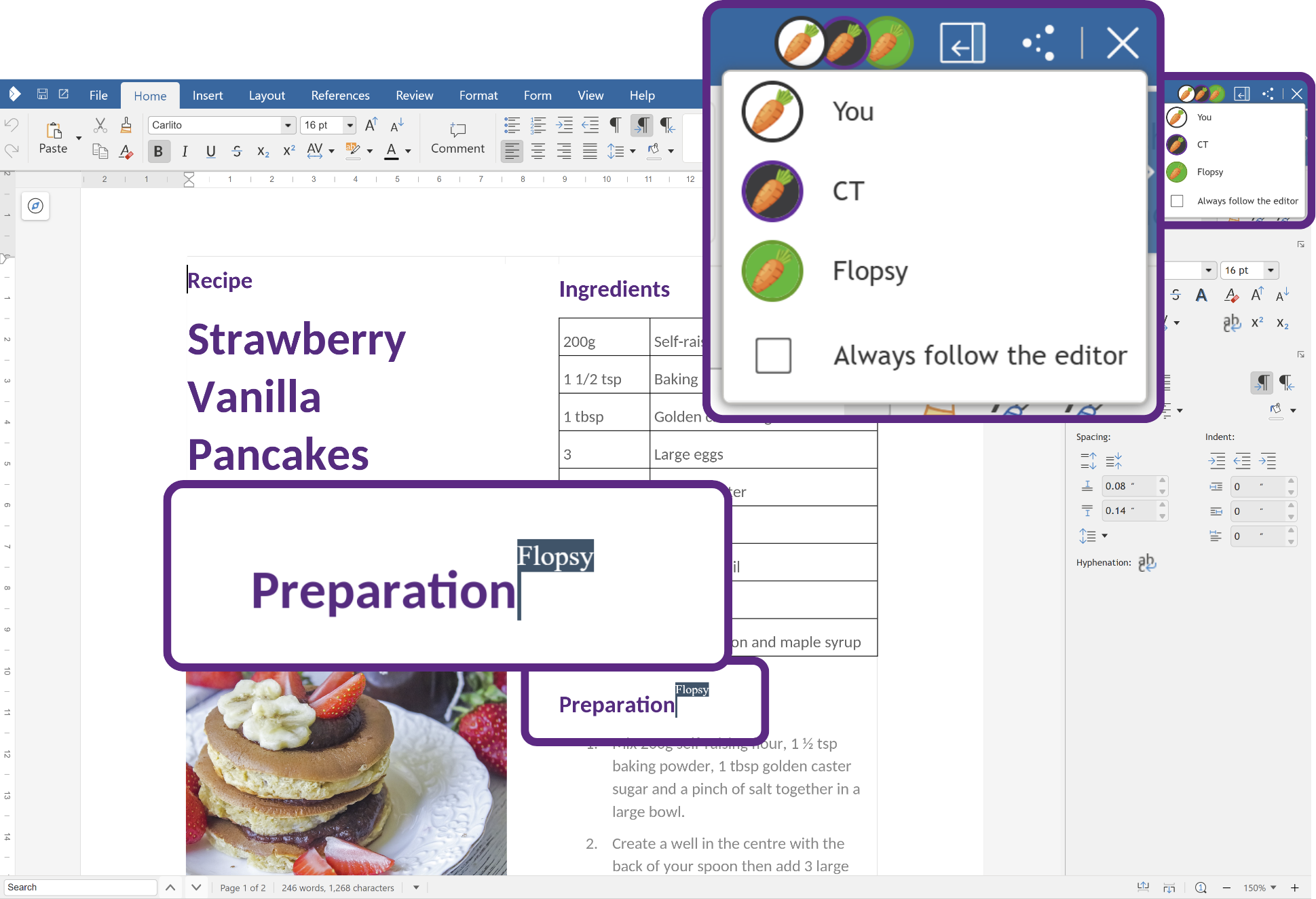
Built on the foundation of LibreOffice, Collabora Online brings collaborative document editing into a secure web environment. It’s particularly well-suited for organizations that want to keep full control of their infrastructure and data — including the option to self-host. Visit Collabora Online.
Desktop Operating Systems: European Linux Alternatives to Windows
Windows dominates the desktop market globally, but Linux distributions — several with strong European roots — offer a powerful, privacy-respecting alternative. Here are the standout options.
Ubuntu (United Kingdom)
Ubuntu remains one of the most widely used Linux distributions in the world, and for good reason. It strikes a strong balance between ease of use and reliability, making it suitable for everyday desktop users as well as server environments. Visit Ubuntu.
Debian (International, originally France)
Debian is the rock-solid foundation that many other distributions — including Ubuntu — are built on. It’s the go-to choice for developers and businesses that prioritize long-term stability and security above all else. Visit Debian.
openSUSE (Germany)
A strong European contender, openSUSE combines stability and security with the user-friendly YaST configuration tool, which makes system management accessible whether you’re a Linux newcomer or a seasoned administrator. Visit openSUSE.
For Windows 11 Switchers: Modern Linux Desktops That Feel Familiar
If what you’ll miss most about Windows 11 is its polished, modern interface, these Linux distributions are designed with exactly that transition in mind.
Kubuntu (United Kingdom)
Kubuntu pairs the reliability of Ubuntu with the visually rich KDE Plasma desktop environment. The result is a sleek, modern-looking OS that won’t feel alien to anyone coming from Windows. Visit Kubuntu.
Zorin OS (Ireland)
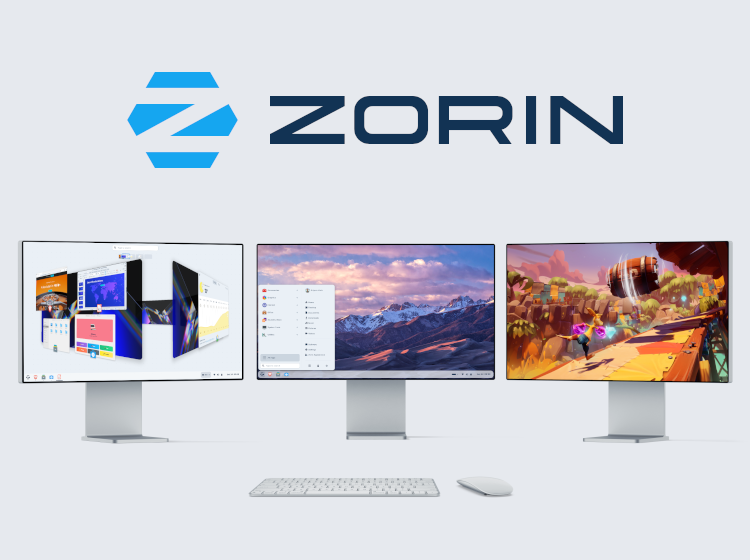
Zorin OS was built specifically with Windows migrants in mind. Its interface closely mirrors the Windows experience, and it includes Wine compatibility so many Windows applications can run without any additional setup.
elementary OS (Portugal)

If your preference runs toward clean, minimal design, elementary OS delivers exactly that. It’s elegant, easy to navigate, and a great choice for anyone who finds traditional Linux desktops overwhelming.
Office Suites: Alternatives to Microsoft Word, Excel, and PowerPoint
Microsoft Office still dominates, but these European alternatives handle the vast majority of everyday office tasks with ease — and several are completely free.
LibreOffice (International, originally France)
LibreOffice is the gold standard of open-source office software. It covers everything — word processing, spreadsheets, presentations, databases, and more — and it reads and writes Microsoft Office file formats reliably. It’s maintained by a global developer community and continuously improved. Visit LibreOffice.
SoftMaker FreeOffice (Germany)
SoftMaker’s FreeOffice is designed to feel immediately comfortable for users switching from Microsoft Office. The interface is familiar, compatibility with .docx, .xlsx, and .pptx files is strong, and the overall polish is impressive for a free product. Visit FreeOffice.
Proton Docs (Switzerland)
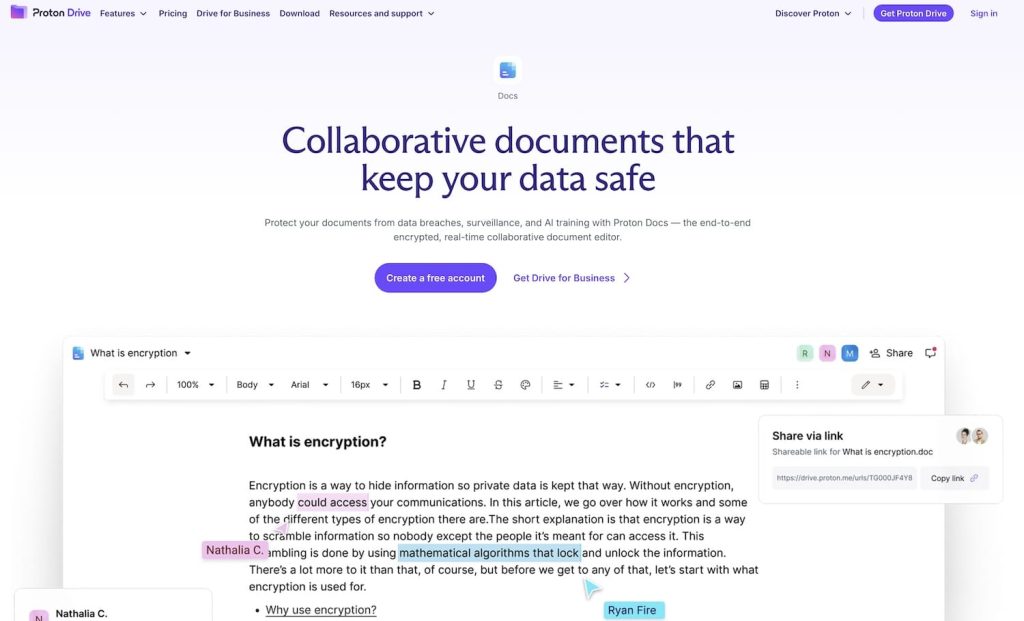
For those who prefer working in the browser rather than installing software locally, Proton Docs provides a modern, fully encrypted online office experience. It’s ideal for privacy-conscious users who still want the convenience of cloud-based editing. Try Proton Docs.
Cloud Storage: European Alternatives to OneDrive and Google Drive
Storing your files with American cloud providers means your data is subject to US law. These European services offer encrypted, privacy-respecting alternatives.
Proton Drive (Switzerland)
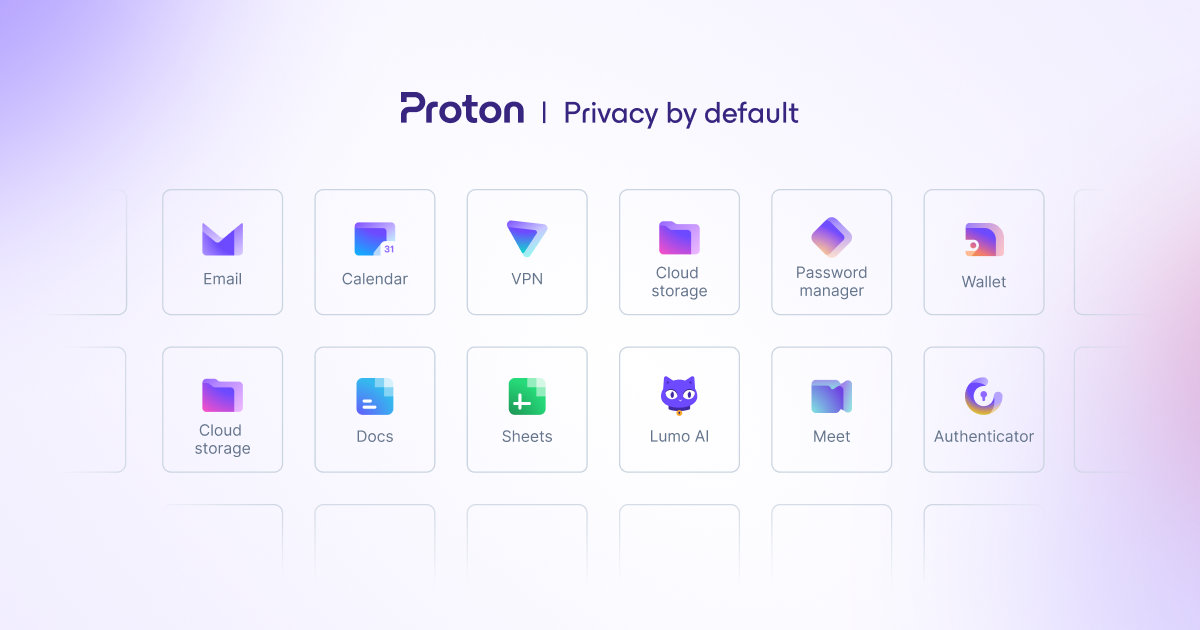
Proton Drive uses end-to-end encryption to ensure that only you can access your stored files — not even Proton can read them. It integrates seamlessly with Proton’s broader ecosystem of privacy tools.
Nextcloud (Germany)
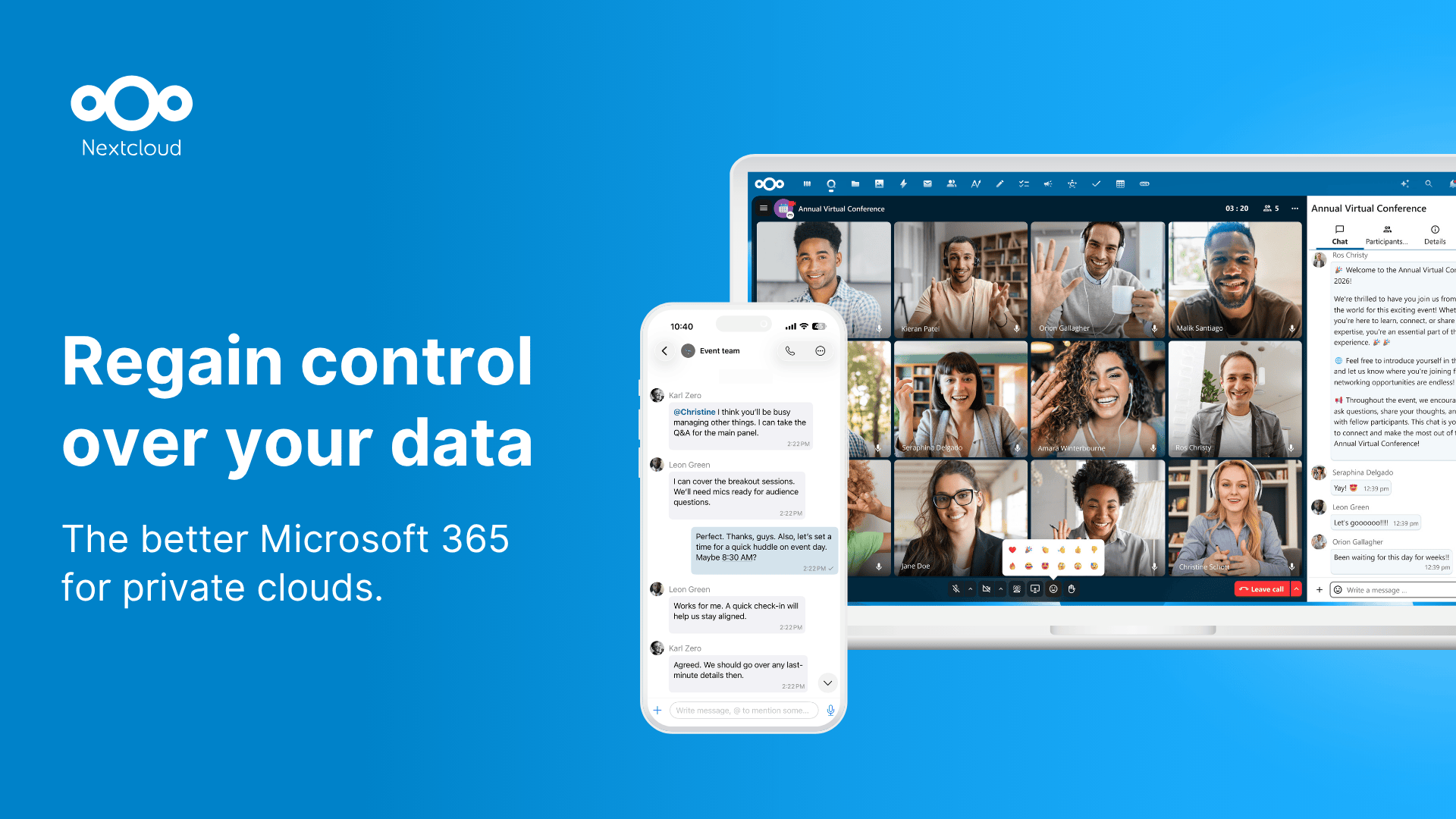
Nextcloud is an open-source platform that you can self-host on your own server, giving you complete ownership of your data. Beyond file storage, it also includes collaboration features, calendar and contact sync, and much more. Visit Nextcloud.
Internxt (Spain)
Internxt is a Spanish cloud storage provider built around end-to-end encryption and strict compliance with European data protection regulations. It’s a solid, straightforward OneDrive replacement for privacy-focused users. Visit Internxt.
Email: European Alternatives to Outlook and Hotmail
Email privacy is often overlooked, but your inbox contains some of your most sensitive communications. These European services take that seriously.
Proton Mail (Switzerland)
Proton Mail is arguably the most well-known private email service in the world. It offers end-to-end encryption, an intuitive interface, and plans that work for both personal users and businesses.
Tutanota (Germany)
Tutanota goes all-in on privacy with automatic encryption for all messages, an open-source codebase, and a transparent approach to security. It’s a great choice if you want encryption to be completely hands-off. Visit Tutanota.
Mailfence (Belgium)
Mailfence takes things a step further by combining encrypted email with a calendar, contacts manager, and document storage — all in one privacy-focused platform based in Belgium. Visit Mailfence.
Beyond Microsoft: European Tools for Collaboration and Productivity
The alternatives don’t stop at office software and cloud storage. For video calls, real-time collaboration, and more, there are strong European options here too.
Jitsi Meet (Netherlands)

Jitsi Meet is a free, open-source video conferencing platform that gives you full control over your meetings — no account required, and no data routed through American servers. Visit Jitsi Meet.
CryptPad (France)
CryptPad is a fully encrypted, open-source collaboration suite that supports documents, spreadsheets, kanban boards, and shared planning tools. Everything is end-to-end encrypted, so your data stays yours. Visit CryptPad.
Framasoft (France)

French non-profit Framasoft maintains a wide range of open-source tools as alternatives to Google’s ecosystem — covering everything from document editing to file sharing to email. Their commitment to the open web makes them a unique and valuable resource. Visit Framasoft.
The Takeaway
Switching away from American tech giants might sound daunting, but the European ecosystem has grown to the point where a complete, privacy-respecting digital setup is entirely realistic. Tools like Proton, Nextcloud, LibreOffice, Jitsi Meet, and the Linux distributions covered above prove that you don’t have to sacrifice quality or convenience to take back control of your data.
Pingback: European Alternatives to Google | Privacy-First