
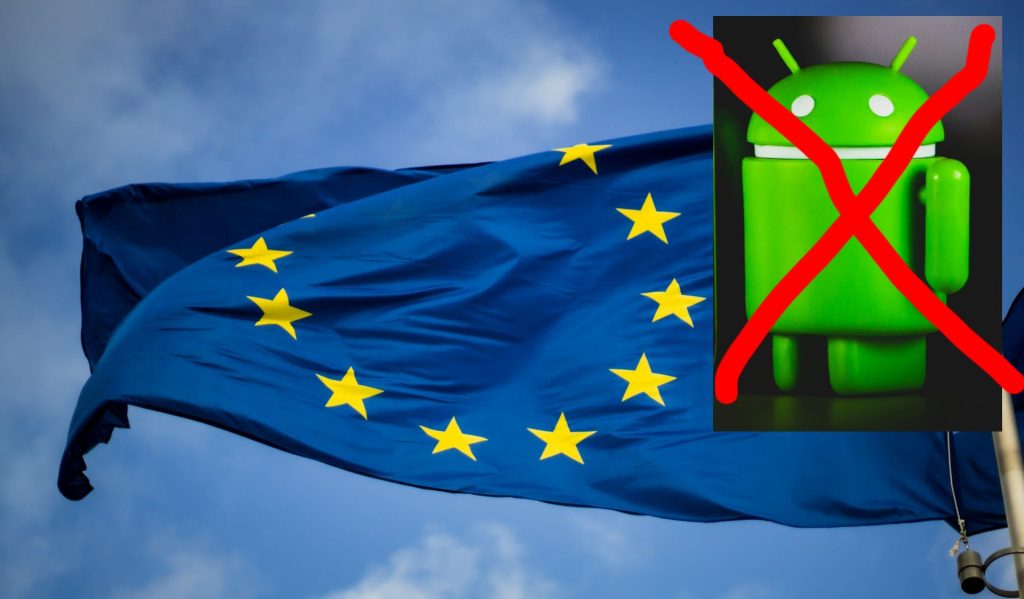
Android and iOS have a stranglehold on the global smartphone market, but Europe is quietly building a compelling set of alternatives. Driven by concerns around data privacy, digital sovereignty, and overdependence on American tech giants, a growing number of European developers and hardware makers are creating mobile ecosystems that put users back in control. Here’s a look at the operating systems and smartphone manufacturers leading that charge.
European Mobile Operating Systems Worth Knowing About
From France to Finland, several European teams are developing mobile operating systems that treat privacy as a core feature — not an afterthought.
/e/OS by Murena — France’s De-Googled Android
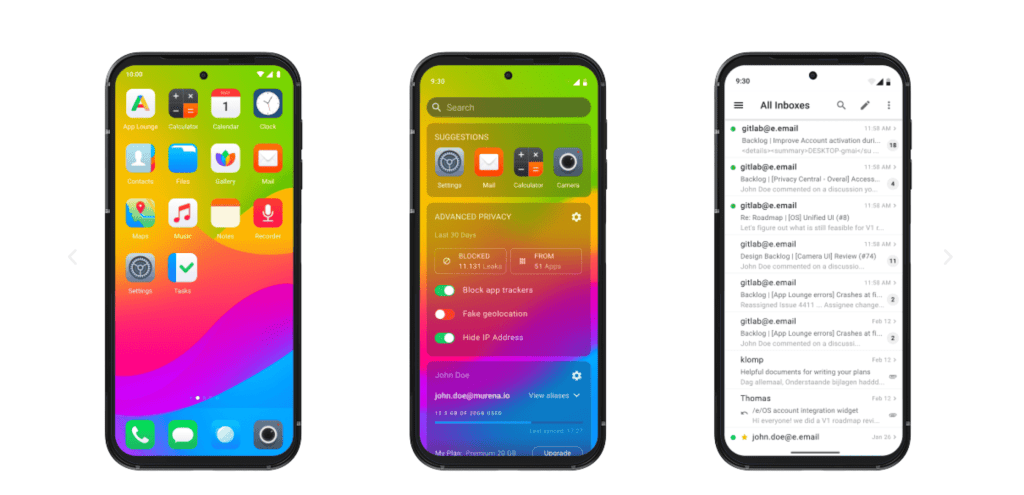
/e/OS is one of the most polished privacy-first mobile systems coming out of Europe. Built as a fork of LineageOS, it strips out every Google dependency and replaces Google Play Services with MicroG — an open-source alternative that maintains app compatibility without the surveillance. The app ecosystem leans heavily on open-source tools, and all cloud services are hosted within Europe, which makes GDPR compliance far more straightforward than with mainstream platforms. If you want Android without Google, this is one of the strongest options available. For more privacy-focused European tools, check out the Best European Alternatives to Google for Privacy in 2026.
Volla OS — Minimalism from Germany
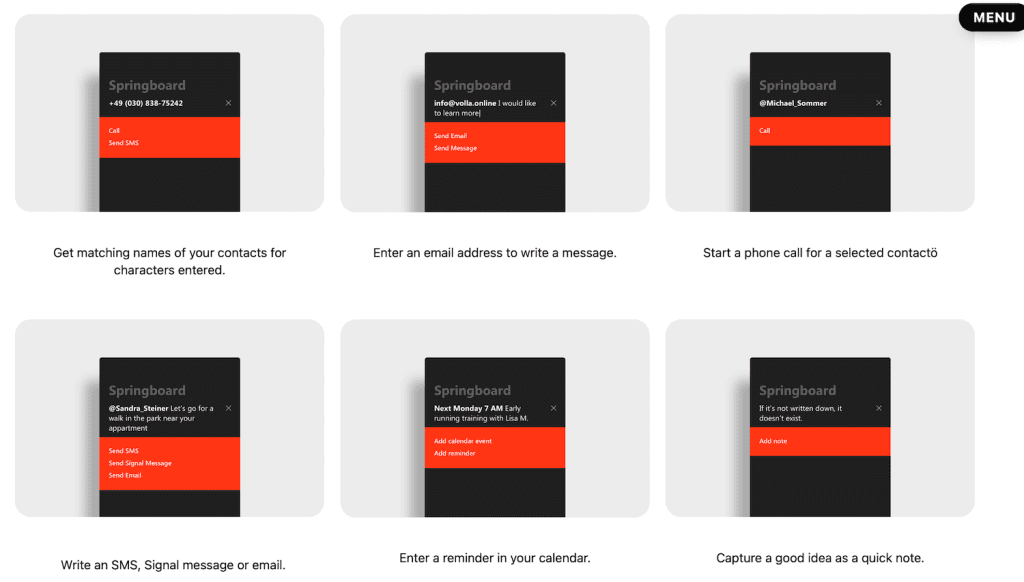
Germany’s Volla OS takes a deliberately stripped-back approach to mobile computing. Like /e/OS, it’s based on AOSP with no Google services or trackers anywhere in sight. What sets it apart is its interface philosophy — there’s no traditional app drawer, pushing users toward a simpler, more focused experience. One particularly interesting feature is the option to install Ubuntu Touch as an alternative OS, giving technically-minded users even more flexibility. For anyone who finds modern smartphones overwhelming or intrusive, Volla OS is a refreshing change of pace.
Sailfish OS — Finland’s Fully Independent System
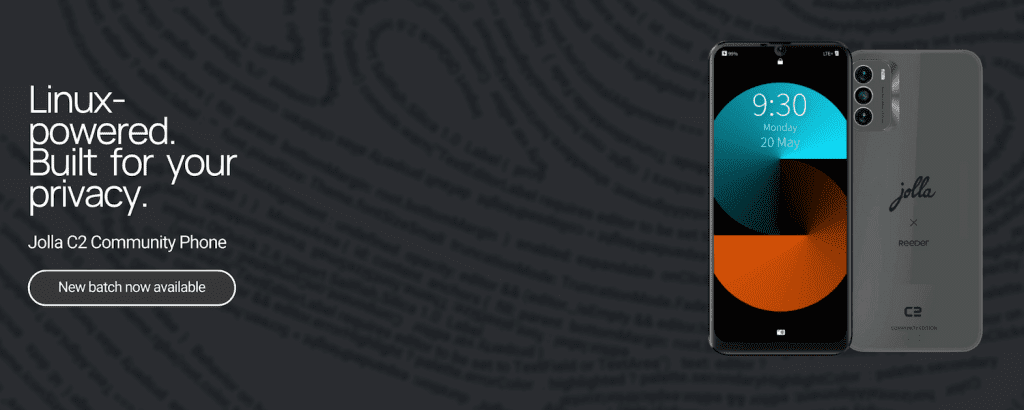
Developed by Finnish company Jolla, Sailfish OS stands in a category of its own. Unlike /e/OS or Volla OS, it doesn’t derive from Android at all — it’s built on Linux from the ground up. That makes it one of the most genuinely independent mobile platforms in the world. For users who need Android app support, an optional compatibility layer is available. Sailfish OS has found serious traction in government and enterprise settings, where its professional-grade security features are especially valued.
European Smartphone Makers Putting These Values Into Hardware
Operating systems only matter if there’s hardware to run them on. Fortunately, a handful of European smartphone manufacturers are building devices that align with the same principles of openness, repairability, and privacy.
Fairphone — The Dutch Pioneer of Ethical Hardware
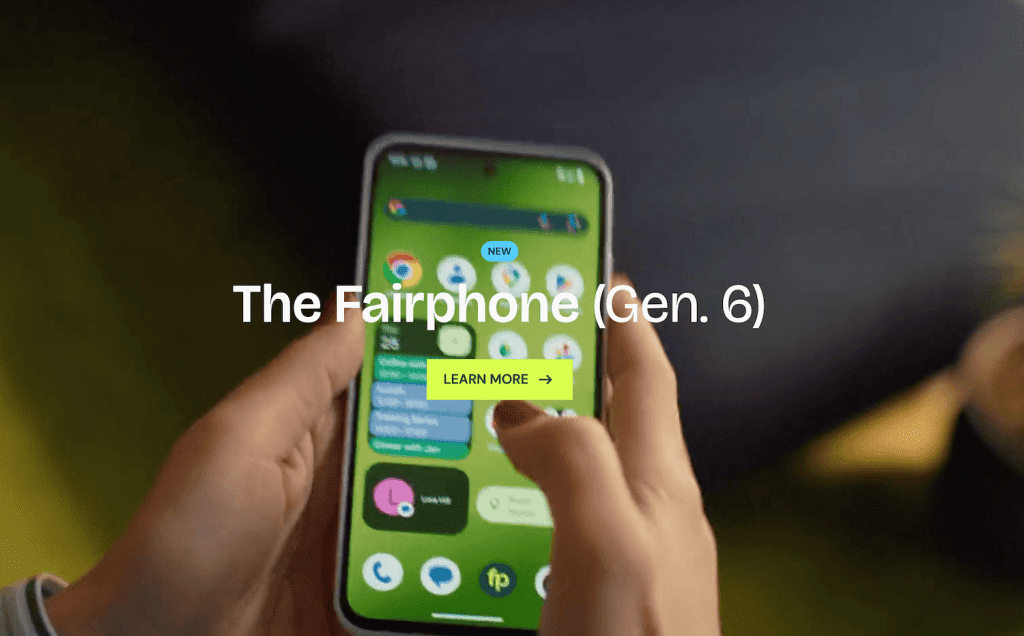
No list of ethical European smartphones would be complete without Fairphone. The Dutch company has become the benchmark for what a socially responsible smartphone looks like — built with ethically sourced materials, designed for repairability, and supported for years longer than most manufacturers would consider viable. The Fairphone 4, 5, and 6 are all compatible with alternative operating systems including /e/OS, Ubuntu Touch, and LineageOS, and Fairphone actively collaborates with the developers behind these projects. Refurbished models are available in France, the UK, and Germany, making them accessible at a lower price point too.
Murena — France’s Plug-and-Play Privacy Solution
If you want a European privacy phone with zero technical hassle, Murena is the answer. The French company sells smartphones — including the Murena One and /e/OS-equipped Fairphone versions — with /e/OS already installed and a fully integrated cloud ecosystem hosted in Europe. There’s no configuration required and no compromise on privacy from day one. The partnership with Fairphone also means buyers don’t have to sacrifice ethical production standards to get a private phone.
Volla — End-to-End Consistency from a German Team
The same German company behind Volla OS also produces its own smartphones, which creates a level of hardware-software coherence that’s rare in this space. The Volla Phone and Volla Phone 22 ship with either Volla OS or Ubuntu Touch, and some models even support dual-boot — letting users switch between both. Community-driven development keeps the platform evolving, and the minimalist, privacy-first ethos runs consistently from the software all the way down to the device design. Visit Volla’s website to explore the current lineup.
Shiftphone — Germany’s Quieter Ethical Alternative
Less prominent than Fairphone but driven by very similar values, Shiftphone is a German brand focused on sustainability and ethical production. It deserves a mention as a solid alternative for buyers who want to support the European ethical hardware movement without automatically reaching for the most well-known name.
Why Is Europe Investing in Mobile Independence?
The motivations behind these initiatives go beyond personal preference for privacy. At a political level, digital sovereignty has become a genuine strategic priority — reducing reliance on foreign tech platforms is seen as essential for protecting European institutions, citizens, and data infrastructure.
GDPR compliance is another key driver. Systems built with privacy as a foundational principle are simply better aligned with European law than platforms where data collection is the default business model. Open-source software plays into this too — when the code is publicly auditable, trust doesn’t have to be taken on faith.
Broader European initiatives like Gaia-X and the Industrial Data Alliance reflect the same direction of travel, signaling that mobile sovereignty is part of a much larger push toward technological self-reliance. Pairing a private European smartphone with a European email provider or a European password manager is a natural extension of that same mindset.
The Real Challenges Facing These Projects
Despite genuine progress, European mobile alternatives still face substantial hurdles. App availability is the most immediate obstacle — the gap between what’s available on Android or iOS and what works on /e/OS or Sailfish OS remains significant for many users.
Market visibility is another problem. Many consumers have simply never heard of these options. Then there’s the hardware supply chain — even companies with strong European values still depend on globally distributed manufacturing, which creates tension with the sovereignty narrative. And as these projects grow, maintaining the ethical and privacy standards that define them at larger scale will be an ongoing challenge.
A Glimpse at a More Sovereign Digital Future
Realistically, Android and iOS aren’t going anywhere soon. But the European mobile ecosystem — spanning /e/OS, Volla OS, and Sailfish OS on the software side, and Murena, Fairphone, Volla, and Shiftphone on the hardware side — has matured into something genuinely credible.
These aren’t fringe experiments anymore. They’re real products for users who care about who handles their data, how their devices are made, and whether the platforms they depend on can be held accountable. As digital sovereignty moves further up the political agenda across Europe, the ecosystems being built today may turn out to be exactly what tomorrow’s mobile landscape looks like. For a broader view of European tech alternatives, the Top European Alternatives to Microsoft is also worth exploring.